
Fuel price fluctuations are subject to the whims of global and domestic market shifts. The word “whim” may be the most accurate way of describing the rising and falling of energy costs when you consider events that impacted oil over the last 10 years.
Sanctions imposed on Russia during the early days of its war with Ukraine sent prices soaring as markets panicked. Recently, the transportation industry experienced a significant elevation in diesel prices due to the closure of the Strait of Hormuz. Prices are expected to fall now that there is a ceasefire framework and a predicted opening, but nothing is ever set in stone.
The point is: global and domestic markets are rarely stable, and that unpredictability is a factor transportation and logistics companies must keep in mind when determining freight costs.
In this article, we’ll explain why fuel prices can lower or increase total shipping costs.
Fuel Prices Vary by Region
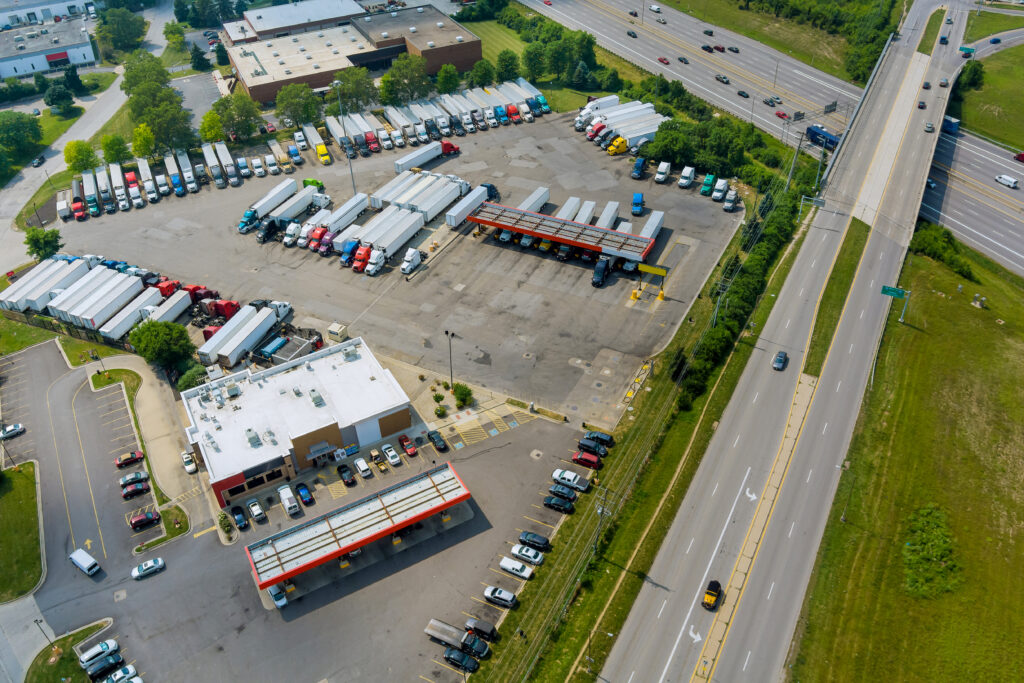
Diesel prices are not consistent across North America. Regional taxes, refinery access, environmental regulations, and fuel supply infrastructure all influence pricing.
West Coast states, such as California and Washington, typically experience some of the highest diesel costs in the United States, while many Southern and Midwestern states maintain comparatively lower fuel prices.
Cross-border freight introduces additional complexity. Diesel costs in Canada and Mexico are often significantly higher than in many U.S. markets, creating additional planning considerations for international shipments.
Because fuel pricing changes by region, experienced carriers strategically plan routes and refueling locations to help reduce unnecessary operating costs.
Freight Type Impacts Fuel Consumption

The type of freight being transported also affects fuel usage and overall transportation costs.
FTL shipments typically move directly from pickup to delivery with fewer stops and less handling. Maximizing trailer utilization improves fuel efficiency and lowers the cost per shipped unit. Empty trailer space, inefficient loading practices, and unnecessary route deviations all contribute to higher fuel-related transportation costs.
Equipment Type & Weight Matter
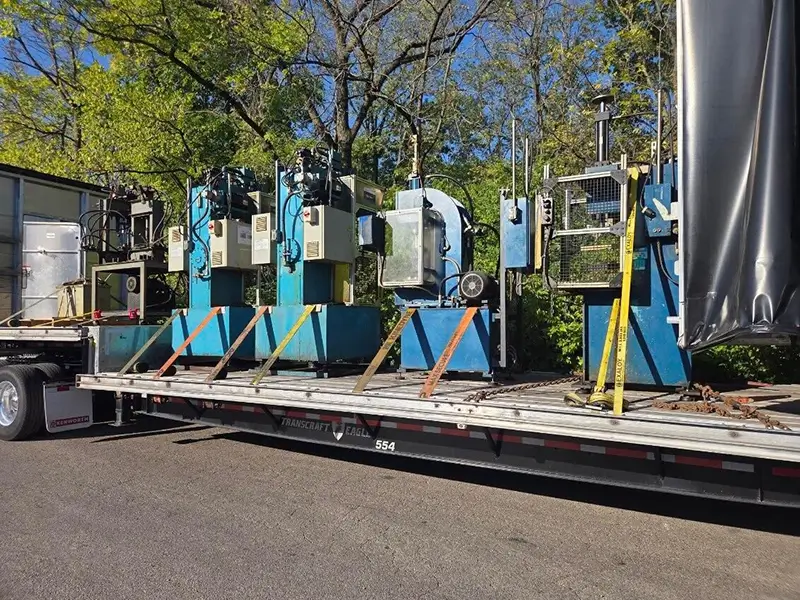
Fuel consumption varies significantly depending on the type of equipment being used and the weight of the cargo being transported.
Standard dry vans and flatbeds transporting lighter freight consume substantially less fuel than specialized equipment hauling oversized or concentrated loads.
For example, step decks, lowboys, multi-axle trailers, and heavy specialized freight often require additional axles, increased horsepower, and more fuel to safely move freight.
Cargo weight also directly impacts fuel economy. Heavier shipments place greater demand on the power unit, increasing fuel usage over long distances.
Currency Exchange
When shipping internationally, fuel costs are quietly linked to monetary exchange rates. For instance, refueling in Canada or Mexico requires paying for diesel in Canadian dollars or Mexican pesos. The value of these currencies rises and falls against the U.S. dollar. In recent months, one U.S. dollar was worth roughly 17.5 pesos. One Canadian dollar is typically worth about $0.73 in American dollars.
Buying diesel internationally may seem to favor American trucking companies, but that’s not necessarily the case. When the currency depreciates against the U.S. dollar, refiners and distributors pay more and pass those costs along. Weak Canadian and Mexican currencies can actually drive up costs.
How North American Specialized Transportation & Logistics Helps Customers Save Money
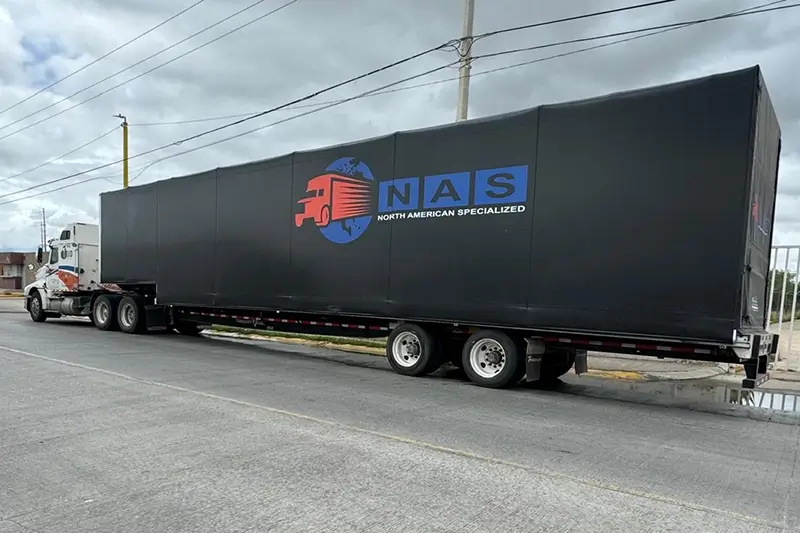
The conflict with Iran is just the latest example of diesel cost inconsistency. Although many expect prices to drop soon, international and domestic forces will continue to influence fuel prices and trucking rates. At North American Specialized Transport & Logistics, we engage in long-term planning and strategies to save our valued customers’ money, despite global uncertainties. These are some of the ways we’re working hard to maximize efficiency and provide industry-leading services.
Strategic Load & Route Planning
We take into account LTL needs as well as FTL routes. Bundling cargo from multiple shippers allows our customers to share expenses rather than take on the entire burden. We map out routes to minimize distances and maximize fuel efficiency. Our organization also trucks goods and materials over designated routes. As a qualifying USMCA trade agreement operation, our loads are not subject to lengthy cross-border wait times that burn fuel.
Optimized Routes
We use advanced technology, coupled with practical experience, to design truck routes. When determining a truck route, our logistics experts consider distance, diesel refueling costs in the area, potential construction delays, tolls, and other factors that affect freight rates.
Modern Fleet Investments
Fuel efficiency begins with reliable equipment.
Our fleet investments focus on aerodynamic improvements, fuel-efficient engines, weight reduction technologies and properly maintained equipment to help improve operational performance and reduce unnecessary fuel consumption.
Experienced Drivers & Operations Teams
Efficient transportation is not determined by equipment alone.
Experienced drivers and operations personnel play a critical role in route execution, fuel management, cargo securement and minimizing avoidable delays.
Strong communication and operational planning help reduce inefficiencies that can increase transportation costs.
Protect Your Freight With NAS
North American Specialized provides specialized transportation and logistics solutions throughout the United States, Canada, and Mexico.
Contact NAS today to learn how our team can help improve efficiency, reduce delays, and support your transportation needs.
Visit our website to learn more about our freight services, or contact us today to get rates.


